


Diagnosis of Prostate Cancer Uses Oncogene Molecular Signature
By LabMedica International staff writers
Posted on 31 Dec 2012
A diagnostic test distinguishes patients with clinically relevant prostate cancer from normal prostate in men with elevated prostate-specific antigen (PSA) levels.Posted on 31 Dec 2012
The team worked with three oncogenes previously associated with poorer outcomes in prostate cancer: c-Myc , Ha-Ras, and v-Src. Led by Richard G. Pestell, MD, PhD, director of the Kimmel Cancer Center (KCC; Philadelphia, PA, USA) and the chair of the department of cancer biology at Thomas Jefferson University (Philadelphia, PA, USA) the team reported their preclinical findings from a blinded, retrospective analysis of over 350 patients in the November 30, 2012, edition of Cancer Research.
The test, the team claims, is superior to several previously published gene tests and to the Gleason scale, which is the rating given to prostate cancer based upon its microscopic appearance and currently used to help evaluate the prognosis of men with the disease. The oncogene-specific prostate cancer molecular signatures were recapitulated in human prostate cancer and validated in distinct populations of patients as a prognostic and diagnostic test. In addition, the team demonstrated how the isogenic prostate cancer cell lines metastasized in immune-competent mice.
"Identification of gene signatures in breast cancer has allowed for a deeper understanding of the disease, and this paper moves us steps closer to being able to follow a similar trajectory with prostate cancer. Today, such an understanding and a formidable testing ground for new therapies is lacking for this disease," Dr. Pestell said. "With this new oncogene-specific prostate cancer molecular signature, we have a valuable prognostic and diagnostic resource that could help change the way we manage and treat prostate cancer."
Related Links:
Kimmel Cancer Center
Thomas Jefferson University


Platinum Member

ADAMTS-13 Protease Activity Test
ATS-13 Activity Assay

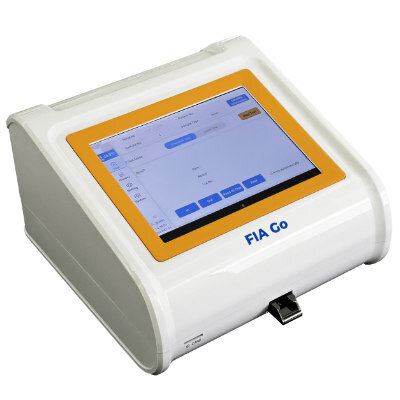

POCT Fluorescent Immunoassay Analyzer
FIA Go
Gold Member

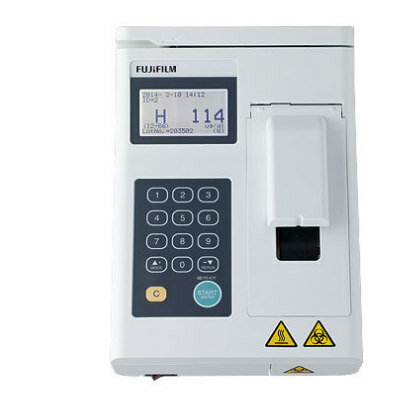
Blood Ammonia Test Analyzer
DRI-CHEM NX10N


