


Growth Factors Regenerate Islet Cells
By Biotechdaily staff writers
Posted on 03 Oct 2002
A new treatment has been shown to regenerate transplanted human islet cells in mice, which could have the potential to reduce or eliminate the need for insulin injections in patients with insulin-dependent diabetes.Posted on 03 Oct 2002
The treatment consists of a short course of injections of two human growth factors. Developed by Transition Therapeutics, Inc. (Toronto, Canada), the treatment is called Islet Neogenesis Therapy (INT). The treatment is needed because current islet cell availability for transplantation is limited.
"If we can transplant fewer islet cells per patient but can increase the amount of insulin generated, then we could treat significantly more people with diabetes,” said Dr. Tony Cruz, chairman and CEO of Transition.
Transition scientists investigated whether INT was capable of regenerating human islet cells and increasing insulin production in severe combined immunodeficiency (SCID) mice. Human islet cells were implanted into SCID mice and then treated with a short course of INT, which resulted in a five-fold increase in human insulin production.
Related Links:
Transition Therapeutics


Platinum Member

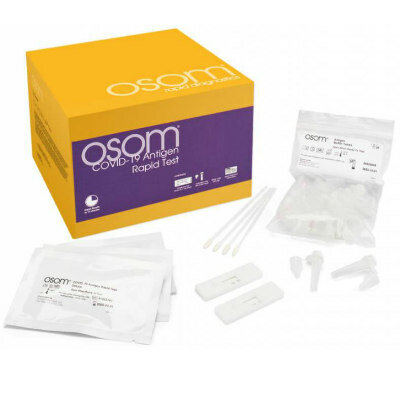
COVID-19 Rapid Test
OSOM COVID-19 Antigen Rapid Test

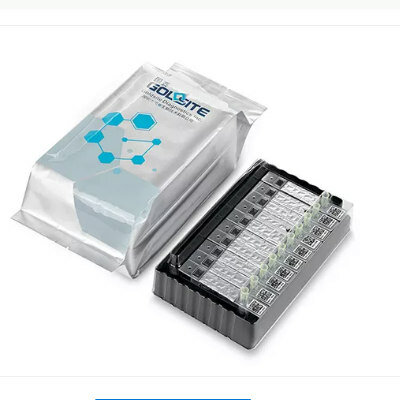

Complement 3 (C3) Test
GPP-100 C3 Kit
Gold Member
High-Density Lipoprotein Containing Cholesterol Assay
HDL-c direct FS


