


Bacteriophage Integrase Used to Correct Skin Disorder
By Biotechdaily staff writers
Posted on 30 Sep 2002
Researchers have adapted the process by which bacteriophages insinuate their DNA into the genome of host bacteria in order to correct the genetic defect that causes a rare skin disorder called recessive dystrophic epidermolysis bullosa (RDEB). Their work was reported in the September 16, 2002, online edition of Nature Medicine.Posted on 30 Sep 2002
RDEB is caused by mutations in the large COL7A1 gene, which normally produces type-VII collagen. In afflicted children, the lack of this gene product results in a syndrome in which the outer layer of skin is not firmly attached to the underlying layers. The children have severe blistering, scarring, infections, and often do not live a normal life span.
To correct this problem, researchers from Stanford University (Palo Alto, CA, USA; www.stanford.edu) used the C31 bacteriophage integrase, which stably integrates large DNA sequences containing a specific 285-base-pair attB sequence into genomic 'pseudo-attP sites'. C31 integrase-based gene transfer stably integrated the COL7A1 cDNA into genomes of primary epidermal progenitor cells. These modified cells formed normal, healthy skin when transplanted onto the skin of mice.
"This technique allows integration of therapeutic genes into stem cells, which supports long-term gene-delivery,” said study leader Dr. Paul Khavari, associate professor of dermatology at Stanford. "We are very hopeful. This study was performed in mice but it targets grafted human disease tissue.”
Related Links:
Stanford University


Platinum Member

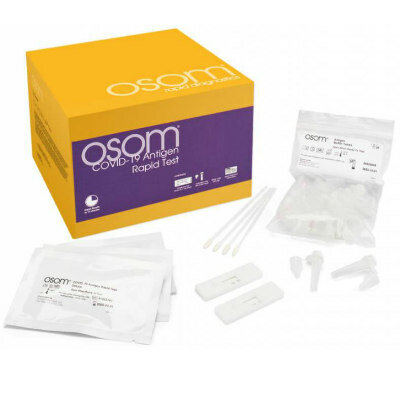
COVID-19 Rapid Test
OSOM COVID-19 Antigen Rapid Test

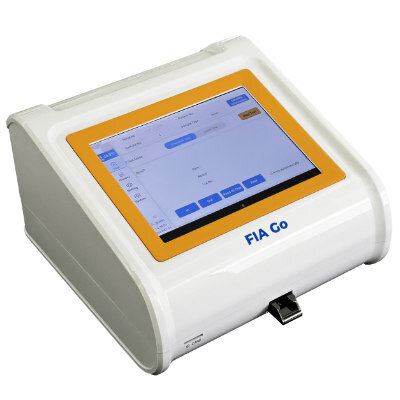

POCT Fluorescent Immunoassay Analyzer
FIA Go
Gold Member

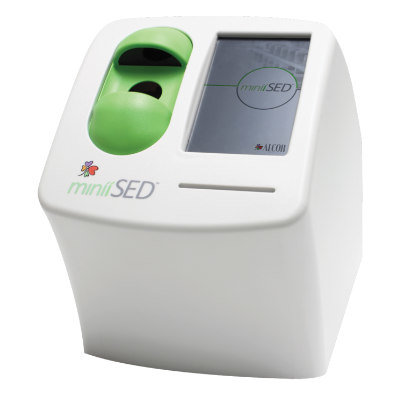
ESR Analyzer
miniiSED™


