


Blood Vessel Formation is Regulated by Fibulin-5
By Biotechdaily staff writers
Posted on 14 Jul 2004
Researchers have found that the protein fibulin-5, which is missing or depleted in a majority of metastatic cancers, acts to prevent formation of the new blood vessels that rapidly growing tumors need to survive.Posted on 14 Jul 2004
Fibulin-5 is a widely expressed, multifunctional extracellular matrix (ECM) protein that possesses cancer suppressing and promoting activities through its ability to regulate cell adhesion, proliferation, and motility in a context-specific manner. How fibulin-5 both suppresses and promotes tumor growth is not yet known, but circumstantial evidence has suggested that fibulin-5 acts as a regulator of angiogenesis.
Investigators at U.S. National Jewish Medical and Research Center (Denver, CO, USA) studied the effects of fibulin-5 expression in cultured endothelial cells. They reported in the June 2004 issue of DNA and Cell Biology that fibulin-5 levels dropped significantly when endothelial cells entered the tubulation phase of new blood vessel formation. On the other hand, high levels of fibulin-5 prevented angiogenesis by inhibiting the proliferation and movement of endothelial cells. Fibulin-5 interfered with signaling by the pro-angiogenic factor VEGF, and increased levels of the antiangiogenic factor thrombospondin-1.
Senior author Dr. Water Schiemann, assistant professor of cell biology at National Jewish Medical and Research Center, said, "We believe fibulin-5 shows real promise as a cancer therapy. When we slightly altered the naturally occurring protein it was even more effective at inhibiting the sprouting of new blood vessels.”
Related Links:
National Jewish Medical and Research Center


Platinum Member

ADAMTS-13 Protease Activity Test
ATS-13 Activity Assay

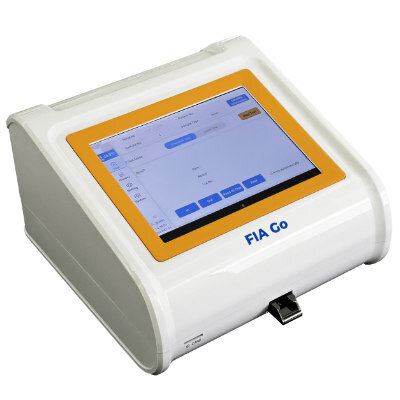

POCT Fluorescent Immunoassay Analyzer
FIA Go

Gold Member

Automatic Western Blot Analyzer
Tenfly Phoenix Blot Analyzer


