


Rodent-Specific Beta Amyloid Antibody
By Biotechdaily staff writers
Posted on 03 Jun 2004
An important new polyclonal antibody available to researchers is specific for the rodent form of beta amyloid protein.Posted on 03 Jun 2004
Cerebrovascular deposition of beta amyloid protein is a common pathologic event in Alzheimer's disease and certain related neurodegenerative disorders. This new rodent-specific beta amyloid antibody can be a highly effective tool for identifying and measuring rodent beta amyloid.
"Increasing use of rodent models for Alzheimer's research created a critical demand for a product with rodent beta amyloid specificity,” noted Brent Dorval, Ph.D., chief technology officer of Signet Laboratories, Inc. (Dedham, MA, USA), which developed the antibody. "This antibody will serve as a valuable tool, allowing researchers to quantify the rodent beta amyloid peptide in transgenic, knockout, and wild-type models.”
Founded in 1989, Signet is a commercial spinout of Johnson & Johnson's Cambridge Research Laboratories, Inc. (CRL, Cambridge, MA. USA).
Related Links:
Signet Laboratories, Inc.


Platinum Member

COVID-19 Rapid Test
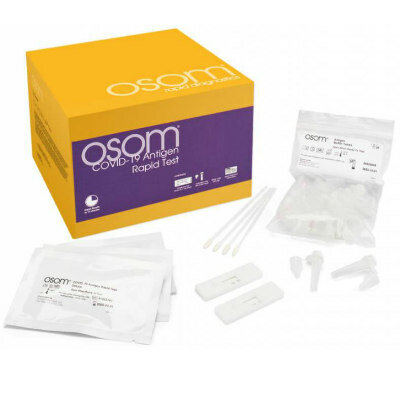
OSOM COVID-19 Antigen Rapid Test


Complement 3 (C3) Test
GPP-100 C3 Kit

Gold Member

Influenza Virus Test
NovaLisa Influenza Virus B IgM ELISA


