


Pathology

Triple FIT Surpasses Single Sigmoidoscopy in CRC Screening
Colorectal cancer (CRC) almost always develops from precancerous polyps (abnormal growths) in the colon or rectum. Screening tests can find precancerous polyps, so that they can be removed before they turn into cancer. Screening tests can also find colorectal cancer early, when treatment works best. More...10 Dec 2020

HDL-Cholesterol Predicts Survival in Cirrhotic Patients with Gastrointestinal Bleeding
Liver cirrhosis is an important cause of morbidity and mortality as a consequence of continuous liver injuries. Acute gastrointestinal bleeding is a serious complication and critical clinical event in cirrhotic patients. Hepatitis B virus (HBV) is the leading cause of liver cirrhosis in China. More...10 Dec 2020

Specific Gut Bacterium Linked to Irritable Bowel Syndrome
The incidence of Irritable Bowel Syndrome (IBS) steeply increases following a gastroenteritis episode, suggesting a possible causative role for microbial perturbation. Gut microbiota composition studies overwhelmingly rely on fecal material. More...08 Dec 2020

Incretin Hormone Levels Linked to Arteriosclerosis
While existing evidence supports beneficial cardiovascular effects of glucagon-like peptide 1 (GLP-1), emerging studies suggest that glucose-dependent insulinotropic peptide (GIP) and/or signaling via the GIP receptor may have untoward cardiovascular effects. More...30 Nov 2020

Mitoses Counted with Digital Pathology in Breast Phyllodes Tumors
Phyllodes tumors (PTs) are a fibroepithelial tumor composed of an epithelial and a cellular stromal component. They may be considered benign, borderline, or malignant depending on histologic features including stromal cellularity, infiltration at the tumor's edge, and mitotic activity. More...26 Nov 2020

Blood Biomarker Predicts Guillain-Barré Prognosis
Guillain-Barré syndrome (GBS) is a rare, autoimmune disorder in which a person’s own immune system damages the nerves, causing muscle weakness and sometimes paralysis. GBS can cause symptoms that last for a few weeks to several years. Most people recover fully, but some have permanent nerve damage. More...25 Nov 2020

COVID-19 Lung Damage Caused by Persistence of Abnormal Cells
Several uncertainties still relate to the involvement of other organs in COVID-19. Besides indirect multi-organ injury, a few reports have suggested the possibility of direct injury caused by viral replication in brain, heart and kidney. More...19 Nov 2020


Platinum Member

ADAMTS-13 Protease Activity Test
ATS-13 Activity Assay

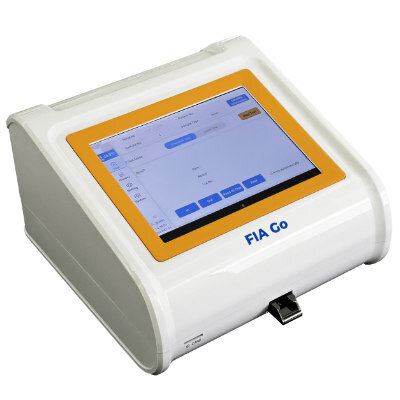

POCT Fluorescent Immunoassay Analyzer
FIA Go
Gold Member

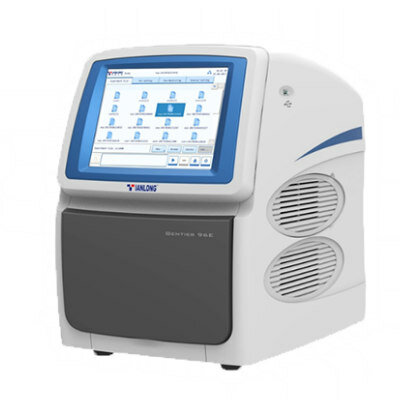
Real-Time PCR System
Gentier 96T
In Other News
Circulating Tumor Cell-Count Drives Therapy Choice for Breast Cancer
Metabolomics Profiles Associated with Diabetic Retinopathy
Autoantibody Timing Predicts Genetically At-Risk Children for Diabetes
Molecular Blood Test Kit Detects Gastric Cancer Early
Fecal Immunochemical Test Assessed in Suspected Colorectal Cancer
Genetic Alterations Associated with Sporadic Congenital Hydrocephalus
Germline Testing After Tumor Sequencing Uncovers Clinically Actionable Variants
Novel CTC Culture Method Developed to Study Metastatic Cancer
Comprehensive Molecular Profiling Matches Pediatric Patients to Therapies
Urine-Based Liquid Biopsy Test Detects Urothelial Carcinoma
Breath Test Developed for Head and Neck Cancer Diagnosis
Lymphocytic Infiltration Explored as Biomarker for Stable Colorectal Tumors
Hematological Biomarkers Predict Prognosis in Hepatocellular Carcinoma
HPV, p16 Offers Different Prognostic Clues in Oropharyngeal Cancer
Serum Thyroglobulin Assays Compared for Differentiated Thyroid Carcinoma
Epigenetic Markers Predict Type 2 Diabetes Patients Response to Metformin
New Diagnosed Anemia Linked to Crohn’s Disease Risk
Genomic Copy Number Predicts Esophageal Cancer Years Before Transformation
Circulating Tumor DNA Analysis Directs Therapy in Breast Cancer
Gut Microbiome Data Helps Routine Screening of Cardiovascular Disease
Genetics Influence Risk for Spontaneous Coronary Artery Dissection
Sequencing Could Augment Other Newborn Screening Methods
Jagged Ends of Double-Stranded DNA Characterized


The Pathology channel details advances in the field of Surgical Pathology and all its subspecialties, including Cytopathology and its subspecialties.